

Hello R-Questers!
Hello to you, fellow R-Quester! It is the end of the second month of the new year and we have some updates for you. We hope you had not neglected/disregarded yourself in any way. If you did, we hope you are aware of the reason(s), so that you can avoid doing it again in the future.
If you would like to get back into/start psychotherapy, now is that time!


About Psychotherapy
What is Psychotherapy?
Psychotherapy is mental health treatment involving interaction and verbal communication. Psychological methods are applied by a trained professional, registered with the HPCSA. It can be offered to anyone, depending on who might need the psychological service, such as individuals (adults & children), couples, families, groups, etc. It is something that can also happen virtually due to distance.
Who Can Benefit from Psychotherapy?
Psychotherapy is a collaborative process between the client(s) and the clinician as they both have to contribute meaningfully to the process. So, firstly, intentionality and commitment are very important. One is a good candidate for psychotherapy if they are willing to be intentional and committed to the process, even though it might be challenging or uncomfortable. Secondly, one has to be willing to be open to sharing and vulnerable in the sessions so that it can be clear what challenges might be present and affecting one’s functioning/wellbeing. Thirdly, one has to be curious enough to explore the process; this way, one is willing to engage in depth.
There has to be some way the individual is able to benefit from the process, even though it may sometimes not be as clear.
Common Challenges/Experiences Preceding Psychotherapy:
- Trauma/Stressors
- Life Changes (Moving, Loss of Job, Divorce/End of Relationship, Parenthood, etc.)
- Substance Use/Addiction
- Affective Changes (Depression, Anxiety, etc.)
- Relationship Issues
- Psychosis
…as well as other noticeable changes (emotions, behaviour, appearance, thinking patterns, etc.) in self that might be of concern to self and/or others.
NOTE: Psychotherapy is NOT only for people who have lost touch with reality!
Starting the Process
It is your process and your journey. So, you have every right to have preferences. Here are a few things to consider before, and while, starting the psychotherapeutic process:
- Be clear about the reason you’d like to start the psychotherapeutic process
- Q: How could I possibly benefit from psychotherapy?
- Be clear about the kind of therapist you think you’d connect/work with (race, age, language, area, professional experience, etc.)
- Q: What kind of therapist would I like to work with? What are my preferences?
- Think about possible factors that might interfere with the psychotherapeutic process
- Q: What characteristics/individual factors could make the experience a lot more challenging?
You are also allowed to express yourself, including your concerns and doubts, especially if it is going to benefit you!
Treating Psychologists at RQ Psych

Thato Nchoe-Giliana
Clinical Psychologist (Founder)

Kgomotso Siwelane
Clinical Psychologist (Locum Tenens)

Recommended Read
This beautiful book is for those who would like to challenge the kind of relationship that they have with themselves, an d how that manifests itself in the relationships with others. Some of the topics explored include attachment, boundaries, etc.
Psychoeducational Content




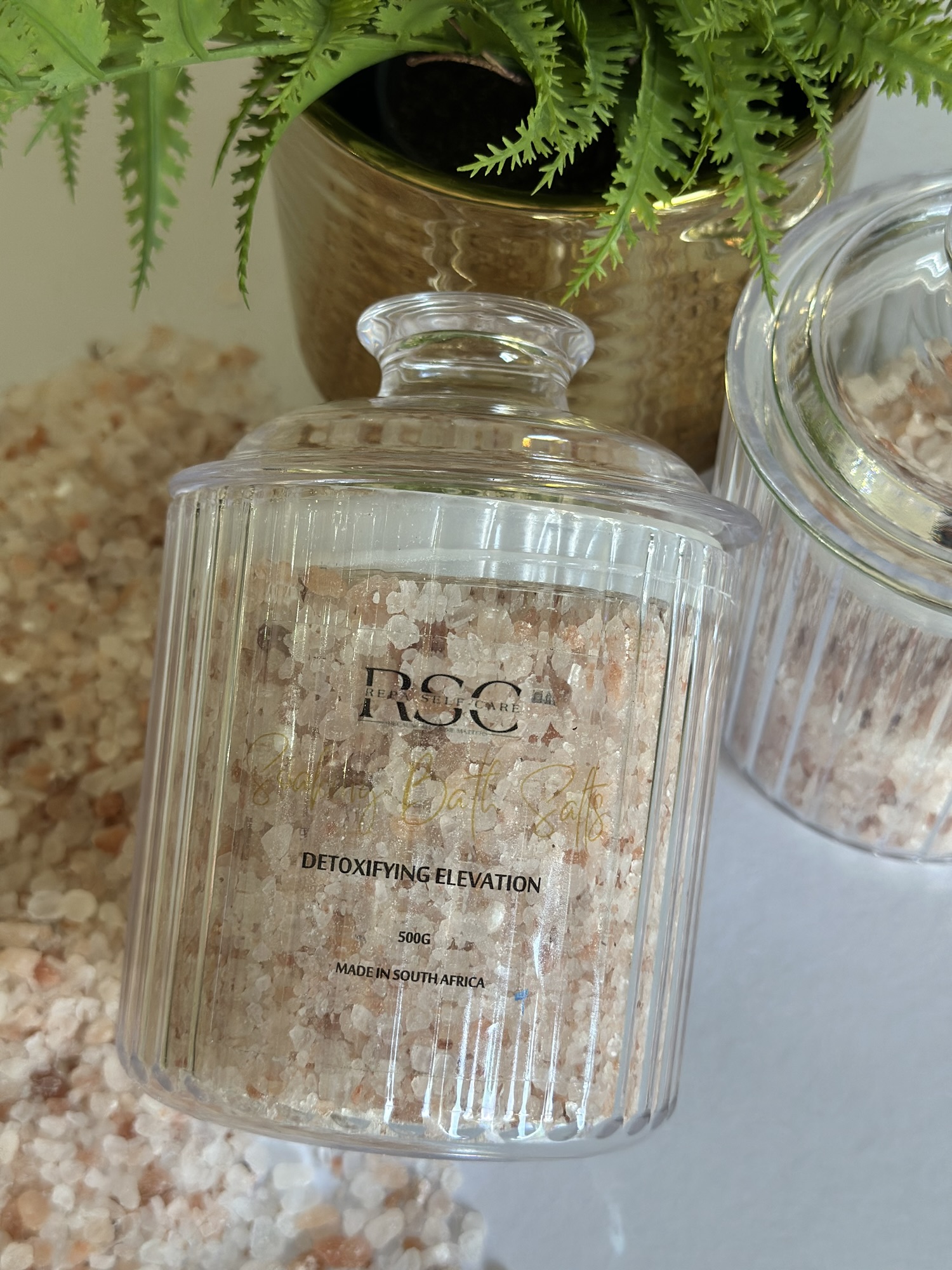
Repa Self-Care Products Coming Soon!
- Reflective Journal
- Aromatherapeutic Candles
- Soaking Bath Salts
- Aromatherapeutic 2-in-1 Massage/Tissue Oil
- Aromatherapeutic Room/Linen Mist


 Revelations Quest Psychology
Leave a comment